Small-Apartment Interiors in Dubai: Real-World Fixes That Deliver
Dubai real estate clings to a stubborn myth that a compact flat cannot possibly feel spacious, indulgent, or genuinely livable. Step inside a smartly planned studio in Dubai Marina or a compact two-bedroom in Business Bay and it becomes obvious how mistaken that belief truly is. Square footage matters, no question, but clever design time after time makes small homes read much bigger than their floor plans suggest. As apartments shrink and rents rising across the city, getting more from less has never mattered more than in 2026. What most people miss is that small-apartment problems almost always have sensible, affordable solutions waiting to be applied. This guide confronts the biggest frustrations head-on and answers each with practical, real-world solutions. Expect to find down-to-earth 2026 costings along the way, letting you plan the work with genuine confidence.
Myth: A Small Apartment Can Never Feel Luxurious
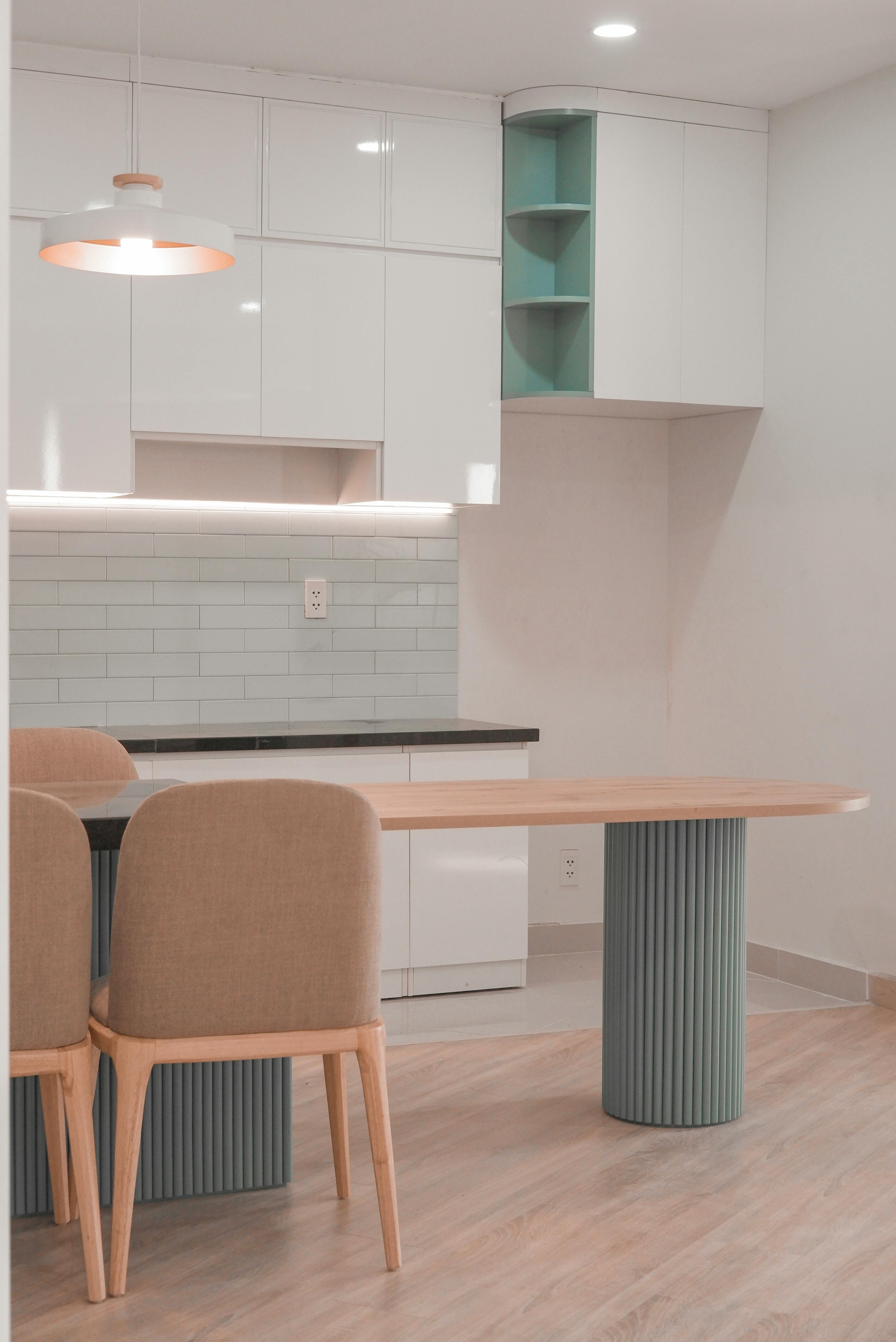
First, let us bust the biggest myth of all, because it holds so many homeowners back from taking the first step. In a compact home, luxury springs not from grand proportions but from considered detail, quality materials, and a calm, uncluttered atmosphere. A compact Downtown Dubai flat dressed in warm stone, integrated lighting, and bespoke joinery can feel far richer than a larger, blander home. The real secret is consistency: a restrained palette and continuous flooring let even 700 square feet read as coherent and intentional. A few well-chosen statement pieces, such as a single sculptural light, make a statement without ever overwhelming the space. The quiet-luxury feel leading Dubai interiors in 2026 happens to be perfectly suited to smaller homes. Once you grasp that less can truly feel like more, every other decision falls into place.
Problem: Chronic Storage Shortage
Across Dubai apartments, the top complaint is a chronic shortage of storage. The fix is to use vertical space and to use every wall rather than a boundary. Wardrobes taken to full height and joinery that custom hotel interior design in dubai runs right to the ceiling capture space that standard furniture simply wastes. Built-in units that surround beds, sofas and doorways hide clutter and keep sightlines clean and calm. In a small flat, furniture that works twice such as ottomans with internal storage and beds with built-in drawers is indispensable. Kitchens benefit too: pull-out larders and corner carousel fittings squeeze usable capacity from those awkward gaps. It does cost, but a little bespoke joinery transforms how a small apartment functions every single day.
- Where you can, run wardrobes and shelving to full ceiling height.
- Opt for beds, sofas, and benches with storage built in.
- Use the backs of doors and the space above them for extra shelving.
- Fit narrow pull-out units in those slim spaces beside appliances.
Problem: The Rooms Feel Cramped
A cramped room tempts us to pull furniture out, yet design offers far subtler fixes. Large mirrors remain the oldest trick for solid reason, since they visually double space and send Dubai’s ample daylight deeper in. A light, consistent colour palette on walls, floors and cabinetry smooths away the breaks that make a room feel choppy. Furniture with a light, leggy profile with minimal visual bulk lets the eye travel further across the floor. Simple window treatments, with curtains mounted high and wide, make the ceiling read taller and windows grander. By reducing the sheer number of separate materials and finishes, you calm the space and enlarge it perceptually. The room has not physically grown, yet it will genuinely feel as though it has.
The Problem: One Room Must Do Everything
The studio or one-bed often asks a single room to be lounge, office, dining room, and sometimes bedroom too. Break it into zones with rugs, lighting, and furniture placement to mark the shift from one function to the next. A slim console separates a sleeping area from a living zone and conveniently serves as a desk. Foldaway and extendable pieces, wall beds, drop-leaf tables, let the space transform through the day. Instead of building a wall, sliding partitions or open shelving units divide areas without blocking light. A defining trend of 2026, flexible, multifunctional layouts suit compact Dubai living perfectly. Even a lone room can feel organised and purposeful rather than chaotic when zones are clearly marked.
Common Problem: The Flat Lacks Natural Light
A lot of mid-floor apartments in dense districts such as Bur Dubai receive less daylight than the people inside would like. The solution is to boost and then evenly spread the light you have to work with. Wide open, that is how the window areas should stay, so keep tall pieces clear of the glass. Glossy surfaces, pale flooring, and mirrors opposite the windows all help carry light further inward. Then a layered artificial lighting scheme covers the shortfall by running ambient, task and accent light on separate circuits. With warm, dimmable LEDs, a dim apartment feels cosy by night instead of gloomy or clinical. Few upgrades match thoughtful lighting design for impact with minimal disruption in a compact home.
Renting your place? Design to Undo It Later
Since so many people in Dubai rent, reversible design is worth special attention in any small-space scheme. Stick-on finishes, movable storage and tension-fixed fittings create real impact while leaving the tenancy agreement intact. Fine rugs, lighting and soft furnishings are genuinely smart investments precisely because they follow you to your next home. Standalone wardrobes and modular shelving add valuable storage that you can just take with you when you go. Before making any fixed alterations, always review your contract and get written permission from the landlord. Removable vinyl on cabinet doors or a peel-away feature wall can refresh a tired space affordably. Even a rental can feel completely like your own with a reversible approach.
Small-Space Design Costs in 2026
All down to ambition and finish, small-space upgrades span a wide budget range. On 2026 figures, a budget-level full fit-out of a compact apartment could begin near AED 200,000 to 340,000, whereas a mid-range redo of a two-bedroom around 1,100 to 1,500 square feet commonly comes in between AED 400,000 and 750,000. Per square foot, budget-level residential work comes to about AED 75 to 250, with mid-tier schemes at roughly AED 200 to 400. Custom joinery, the quiet hero of small-space design, is generally the largest single item on the quote. Once the design and approvals are complete, most apartment projects run about six to ten weeks on site. As for design-only fees, expect roughly 10 to 20% of the project budget, and every figure here is a market range rather than a fixed quote.
| Problem | Practical Fix | Estimated 2026 Cost |
|---|---|---|
| Storage running short | Full-height custom joinery and double-duty furniture | AED 15,000 to 60,000+ |
| Feeling boxed in | Mirrors, a pale palette and slim-profile furniture | AED 5,000 to 25,000 |
| One multi-use room | Zoning, wall bed, folding and modular pieces | AED 10,000 to 40,000 |
| Too little daylight | Layered lighting and reflective surfaces | AED 8,000 to 30,000 |
| Rental restrictions | Peel-and-stick, freestanding, reversible solutions | AED 3,000 to 15,000 |
The Bottom Line
These problems are not unique to your apartment, and none is beyond a sensible solution. Intent is the throughline: each piece earns its place and serves more than one purpose. Plan clearly first, give storage and light top billing, and allow a restrained palette to hold it all together. In a compact home, neat, well-executed changes almost always outperform big, unfocused ones. Short on budget? Split it into phases and hit the biggest wins first. Regardless of its true size, a thoughtfully designed Dubai apartment can feel calm, roomy and quietly luxurious. Confront it with good design, and the myth of the cramped small home simply does not survive.